
Ketose Sweetener · Licensing now
Sugar’s taste. Less of the sugar.
A rare sugar with about 70% of the sweetness of sucrose and about 60% fewer calories than sugar. No added sugar.
What is 5-KDF?
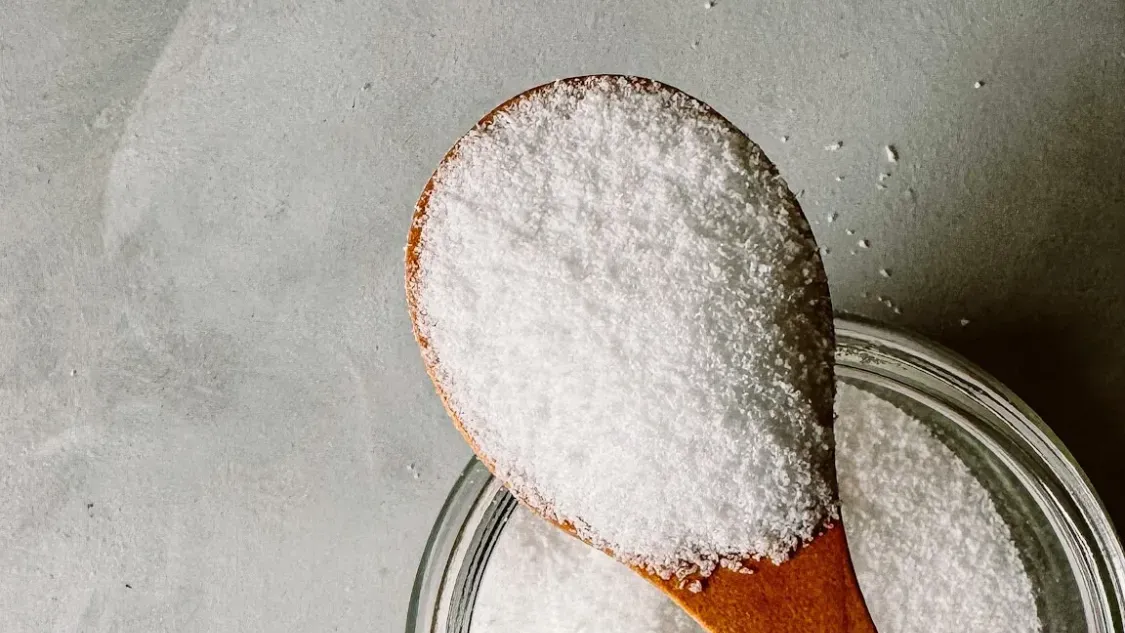
Fooditive Sweetener® Ketose (5-keto-D-fructose, 5-KDF) is a rare keto-sugar that occurs in nature. It replaces the sweetness and bulk of sugar in reduced-sugar foods. Food manufacturers license the technology and produce it in their own plants, or Fooditive manages production at a CDMO near them.
It is a single compound. It gives bulk and texture like sucrose and browns less.
How it is made5-KDF by the numbers
- ~70% of the sweetness of sucrose
- 1.5 kcal/g about 60% fewer calories than sugar
- ≥ 98.5% purity, powder grade
- pH 3–9 stable in solution
Applications
What 5-KDF does in your product
-
One ingredient, the work of sugar
See what 5-KDF does in each application.
-
Bakery
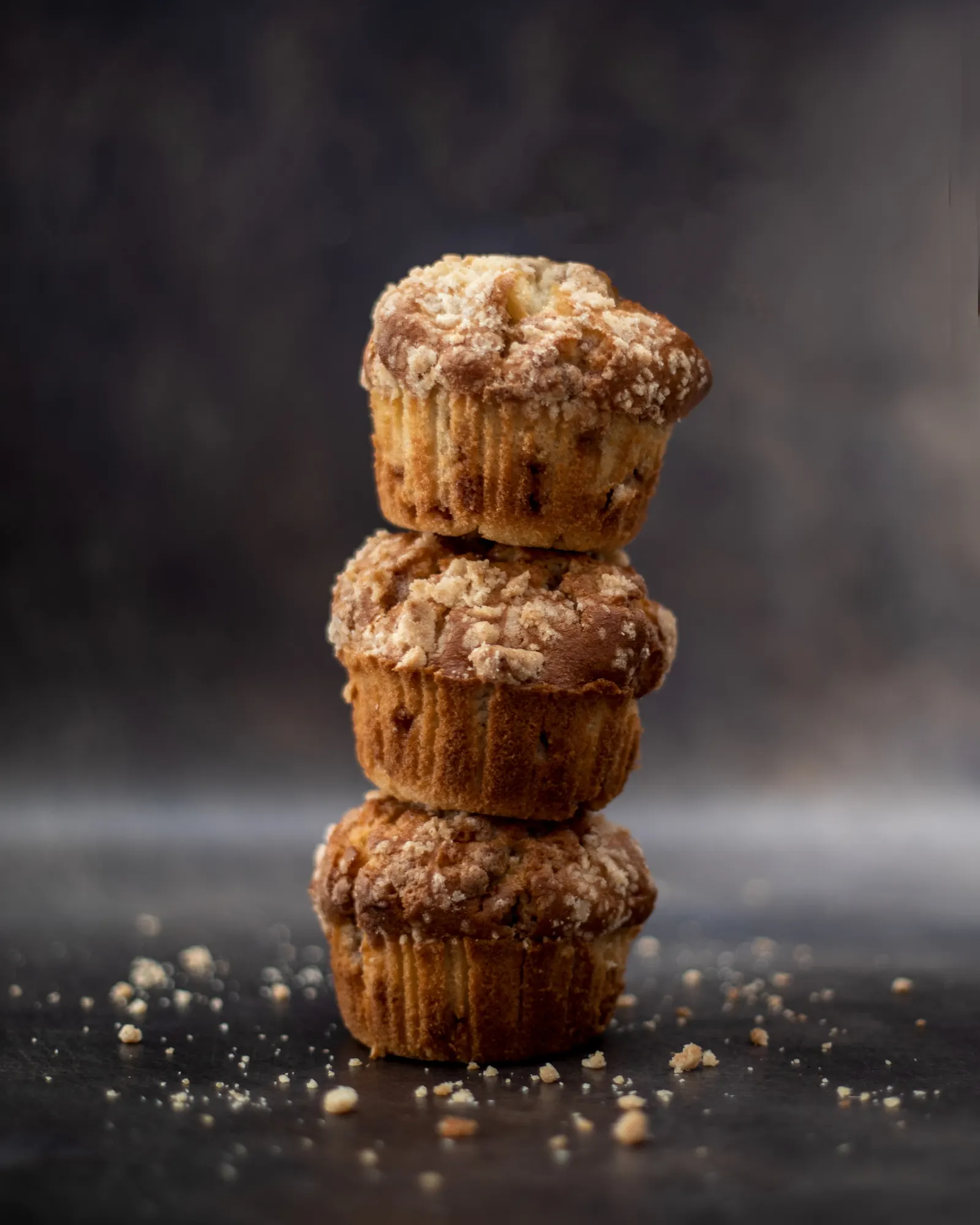
Replaces the bulk of sugar, so cakes and cookies keep their volume and crumb. It browns less, so you have more control over colour.
-

Ice cream and frozen desserts
Lowers the freezing point, for a smooth and scoopable texture with less sugar.
-

Beverages
Dissolves quickly, up to about 200 g/L at 25 °C. It stays stable from pH 3 to 9, so it suits most acidic drinks.
-
Confectionery and chocolate
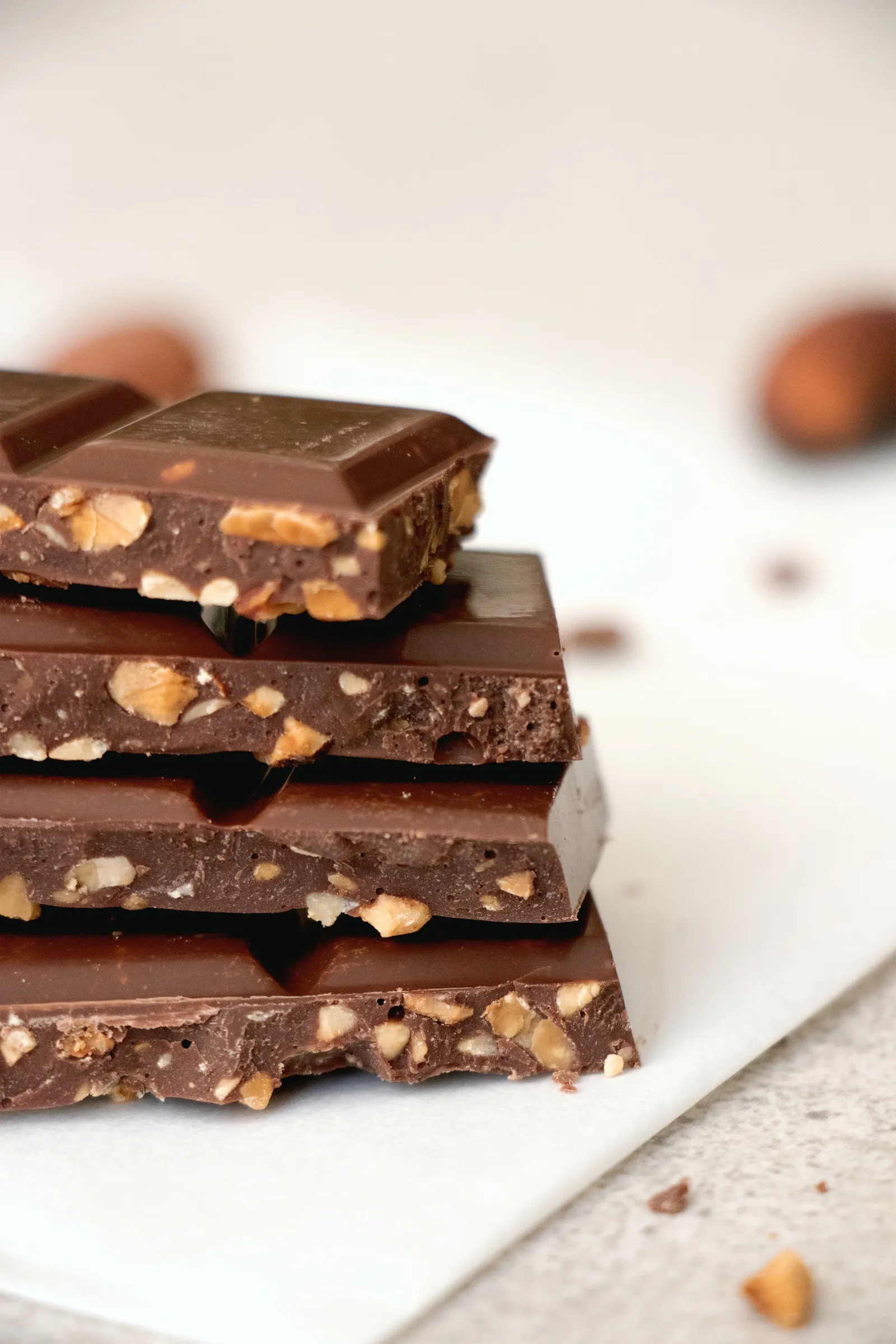
Takes up less moisture than fructose, so sweets stay less sticky during storage.
-

Yogurt and dairy
Gives a clean, sugar-like taste and stays stable in acidic dairy.
-
Tabletop and blends
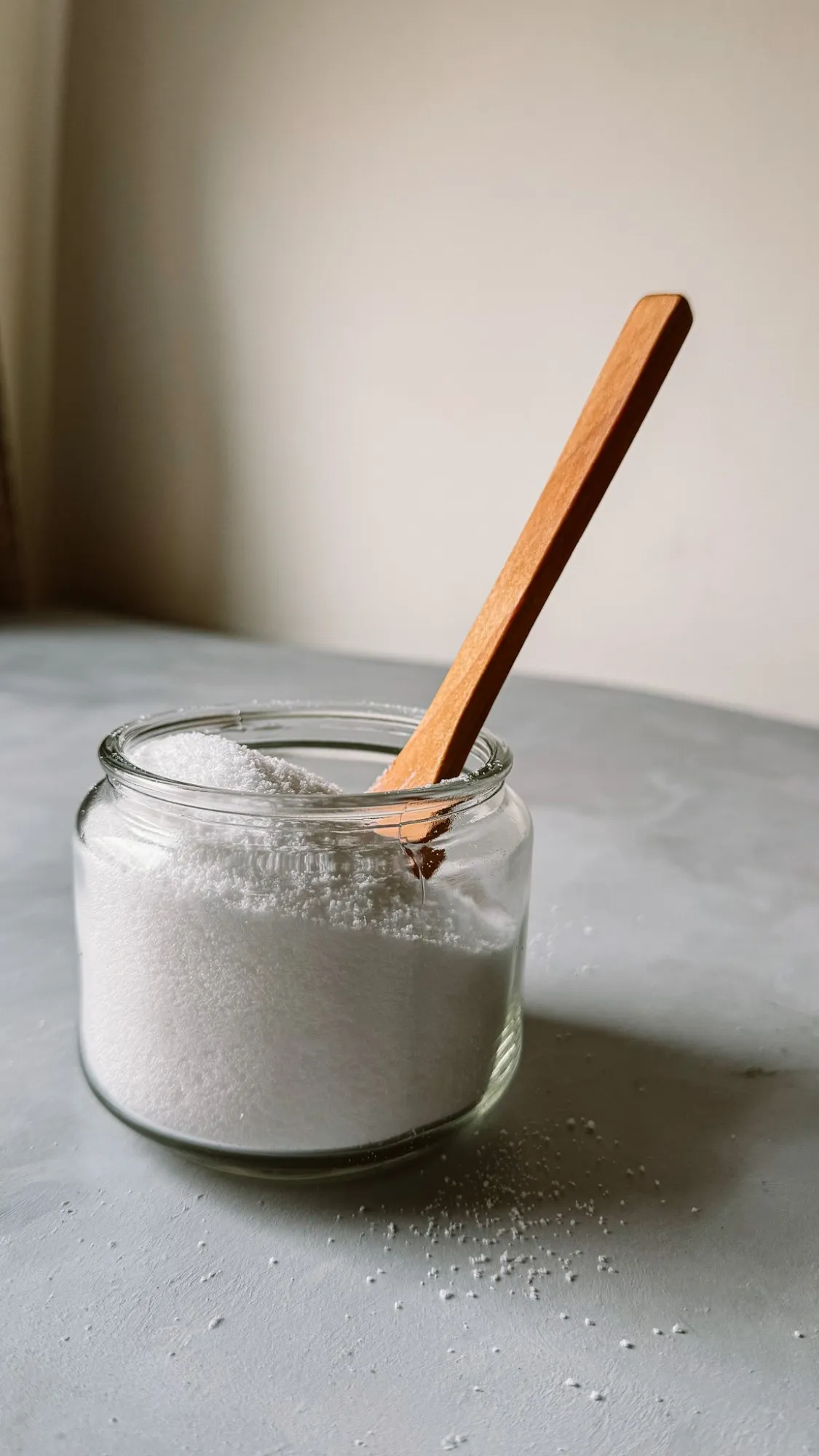
A sugar-like taste with no bitter, metallic or liquorice notes. It also masks off-flavours in stevia blends.
Tasted in Rochester
Guess what people said
We baked gluten-free vanilla cupcakes with Ketose for the Grow-NY Summit in Rochester, New York, in November 2026. Guests tasted them on camera.
Read what they said
- “I would have never known if they didn’t have sugar.”
- “It feels really rich and buttery, and I like that.”
- “I’m not a cupcake fan, but this is wonderful.”
- “It is so good.” “It’s amazing.”
- “I love it. Very good.”
The process
How is 5-KDF made?
We use a proprietary, non-GMO strain of Gluconobacter oxydans, an organism with an 80-year history of safely making food ingredients like vinegar.
The strain ferments a fructose substrate into 5-KDF. We then purify it to a powder of at least 98.5% purity. The strain, the process and the protocols are part of the licence.

Spec sheet
Technical data, powder grade
| Parameter | Value |
|---|---|
| Chemical name | 5-keto-D-fructose |
| CAS number | 1684-29-3 |
| Molecular formula | C₆H₁₀O₆ |
| Molecular weight | 178.14 g/mol |
| Purity | ≥ 98.5% |
| Moisture | ≤ 1.0% |
| pH (10% solution) | 4.5 – 6.5 |
| Parameter | Value |
|---|---|
| pH stability | pH 3–9 |
| Sweetness | ~70% of sucrose by weight |
| Energy | 1.5 kcal/gAbout 60% fewer calories than sugar |
| Labelling | No added sugar.Ketose (5-KDF) does not count as an added sugar. |
| Solubility | ~200 g/L at 25 °C |
| Shelf life | ≥ 24 monthsAmbient, low humidity; each licensee confirms at its production site |
Use levels per food category, nutrition values and the full specification are in our technical data sheet. We share it on request with food companies and partners.
Good to know
Is Ketose a new sugar substitute?
Yes. Fooditive Sweetener® Ketose (5-keto-D-fructose, 5-KDF) is a rare sugar made by fermentation of a fructose substrate with a non-GMO strain of Gluconobacter oxydans. It has about 70% of the sweetness of sucrose, 1.5 kcal/g and a sugar-like taste with no bitter, metallic or liquorice notes.
Is Fooditive a sugar reduction startup?
Fooditive is a Dutch food-biotechnology company founded in 2018. The Ketose sweetener (5-KDF) is one of its two flagship technologies, licensed to food and drink makers for sugar reduction.
What is the U.S. regulatory status of 5-KDF?
Self-affirmed GRAS (2024, independent expert panel). GRAS notice GRN 1326 submitted to FDA on 29 January 2026.
Does it count as added sugar?
No added sugar. Ketose (5-KDF) does not count as an added sugar.
Can I use it in the EU?
Novel Food authorisation is required. Our submission is paused while we focus on the U.S.
Where does it work best?
Beverages (stable from pH 3 to 9), bakery (keeps bulk and crumb, browns less), dairy and frozen desserts, confectionery and tabletop blends.
How do I test it?
Request a sample. We guide you through the sample size, the evaluation format and the next steps, from first screening to pilot support.
Which safety studies exist?
Five open-access studies: OECD-aligned genotoxicity tests, human intestinal and liver cell models, and material analysis.
Make 5-KDF near your market.
You test it in your products and we transfer the process. You produce under licence in your own plant, or we manage production for you at a CDMO nearby.