
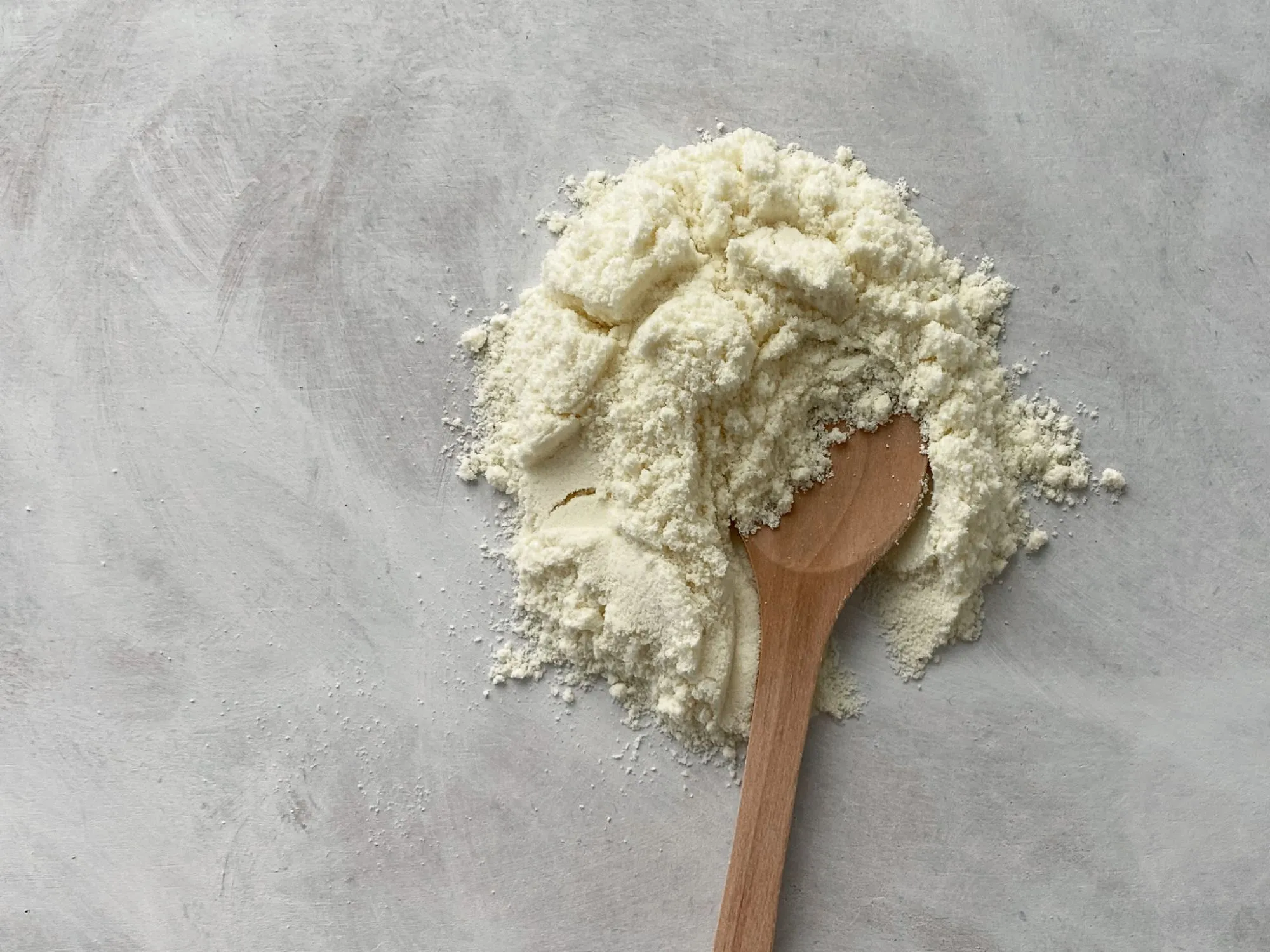
Non-Animal Casein · Licensing now
Real casein, made by fermentation.
Casein proteins with bovine casein sequences, for cheese, yogurt, milks and creamers, protein drinks, sauces and bakery. No animal inputs.
What is non-animal casein?
Non-animal casein is casein protein made by precision fermentation. Its sequences match bovine casein, so it gives the creaminess, body, melt and stretch of dairy. Manufacturers license the technology and produce it in their own plants, or Fooditive manages production at a CDMO near them.
It works in cheese, yogurt, milks and creamers, protein drinks, sauces, bakery and bars, in dairy and dairy-alternative products alike.
How it is madeCasein by the numbers
- > 90% total protein in our casein preparation
- 100% sequence identity to bovine caseins (in silico)
- Feb 2026 GRAS notices submitted to FDA
What casein brings to your product
Applications
What non-animal casein does in your product
-
One protein, many applications
Casein brings melt, stretch, creaminess and heat stability. See what it does in each application.
-
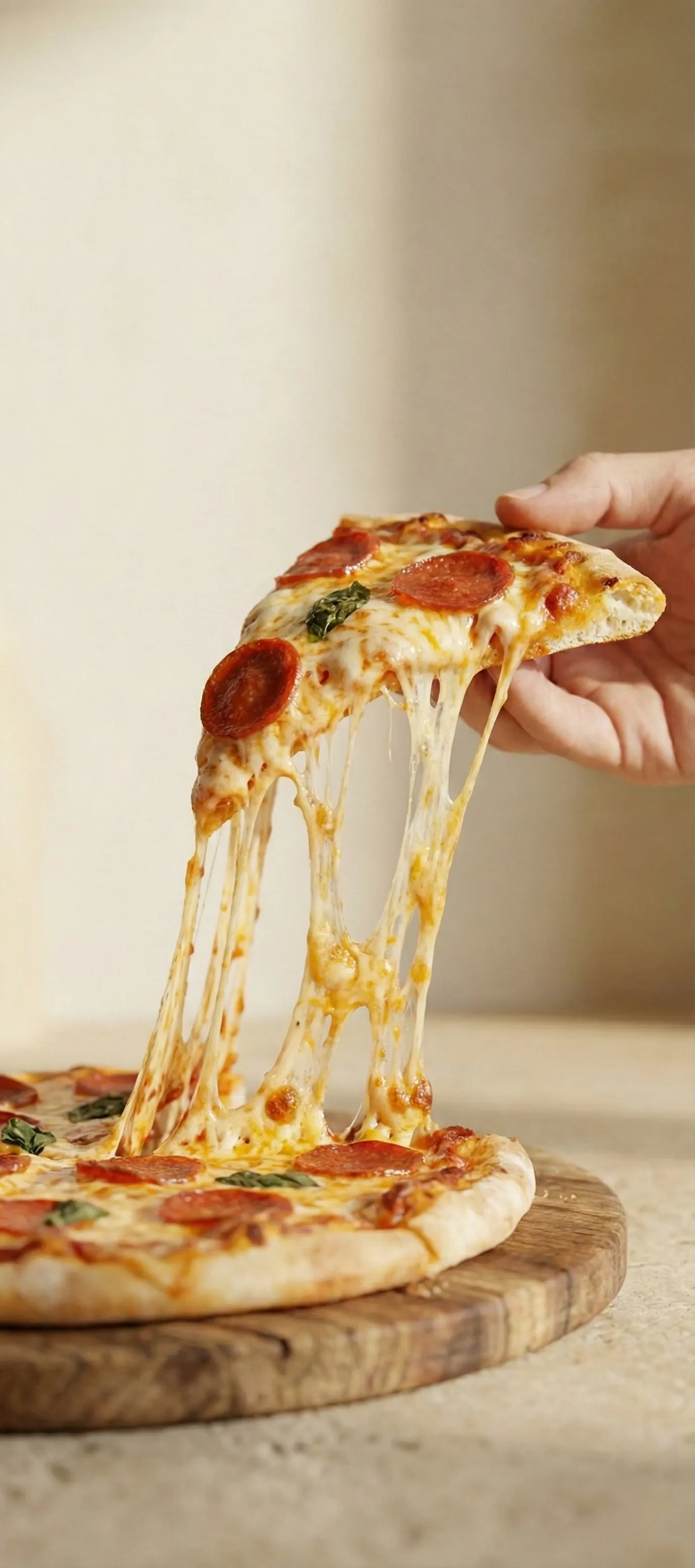
Pizza and mozzarella-style cheese
Casein micelles give real melt and stretch, so plant-based and hybrid cheese behaves like dairy cheese.
-

Greek-style yogurt
Holds water for a thick, creamy texture, better yield and less whey on top.
-
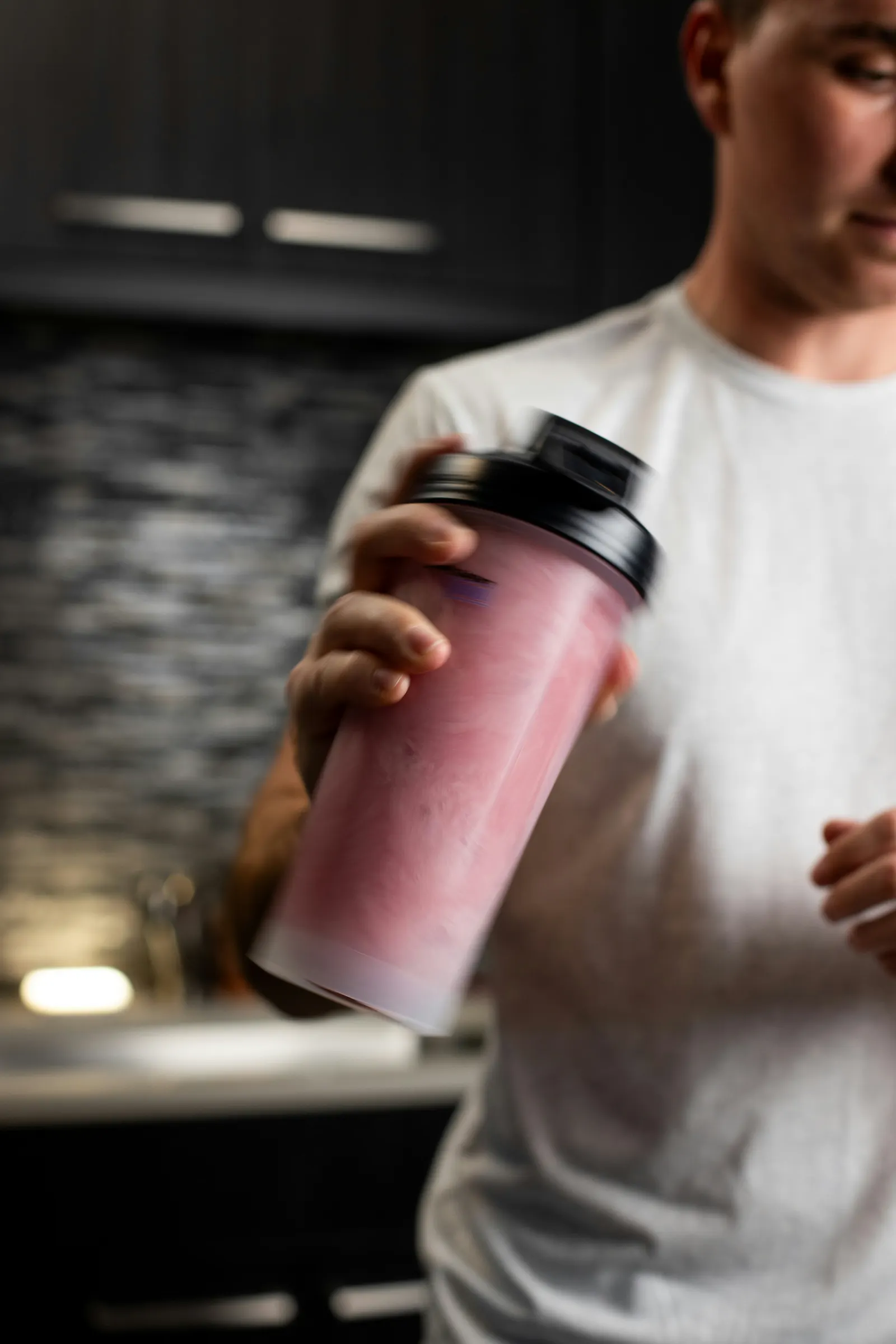
Protein shakes
Stays functional through UHT and retort, for shelf-stable protein drinks.
-
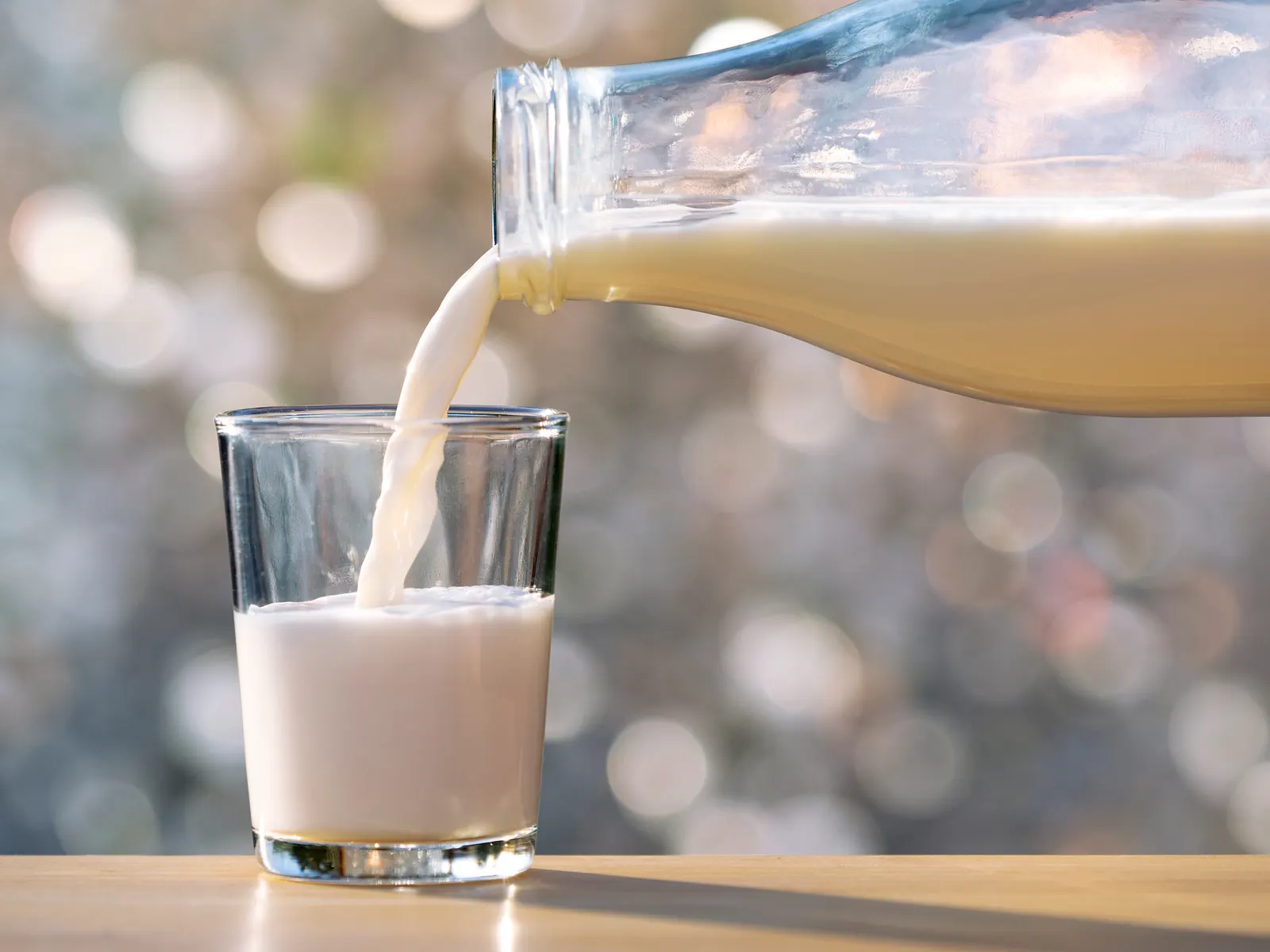
Plant-based milks and creamers
A neutral dairy taste and stable emulsions, even in hot coffee.
-
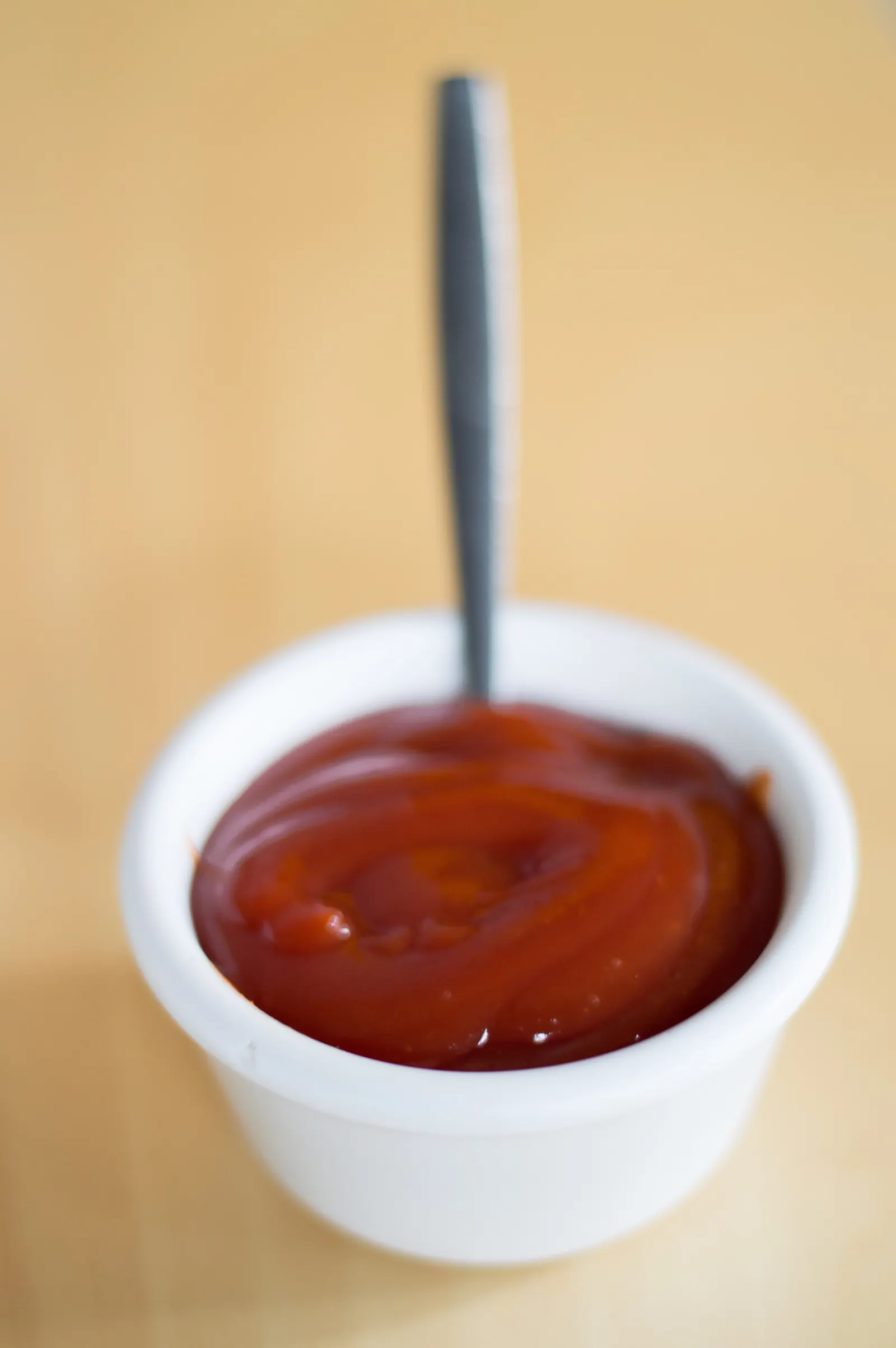
Sauces and dressings
Keeps sauces and dressings creamy, with emulsions that hold together under heat.
-
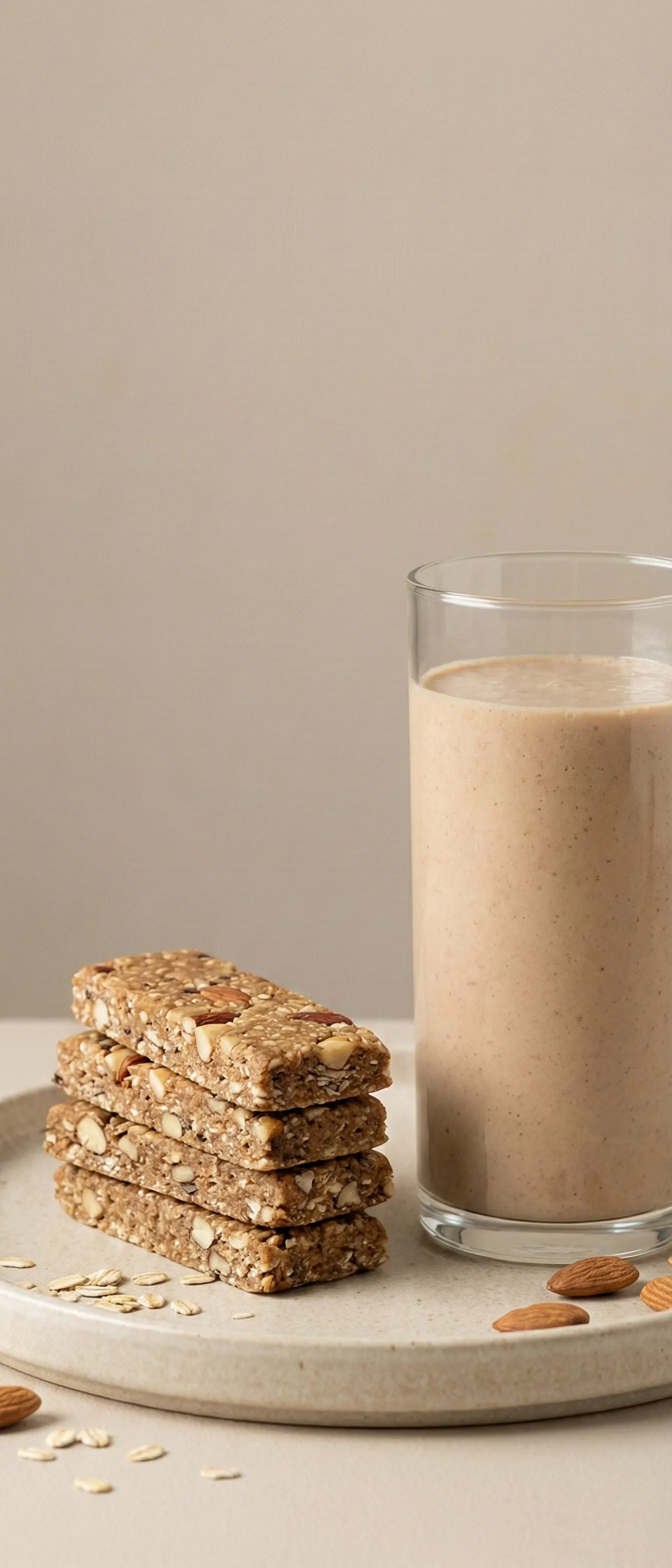
Bakery and bars
Adds milk protein to bread, bars and baked goods.
One of many applications
From casein to mozzarella
Caprese bites made with mozzarella from Fooditive non-animal casein, with cherry tomato and basil pesto.
We served them at the Grow-NY Summit in Rochester, New York, in November 2026.
Request a sample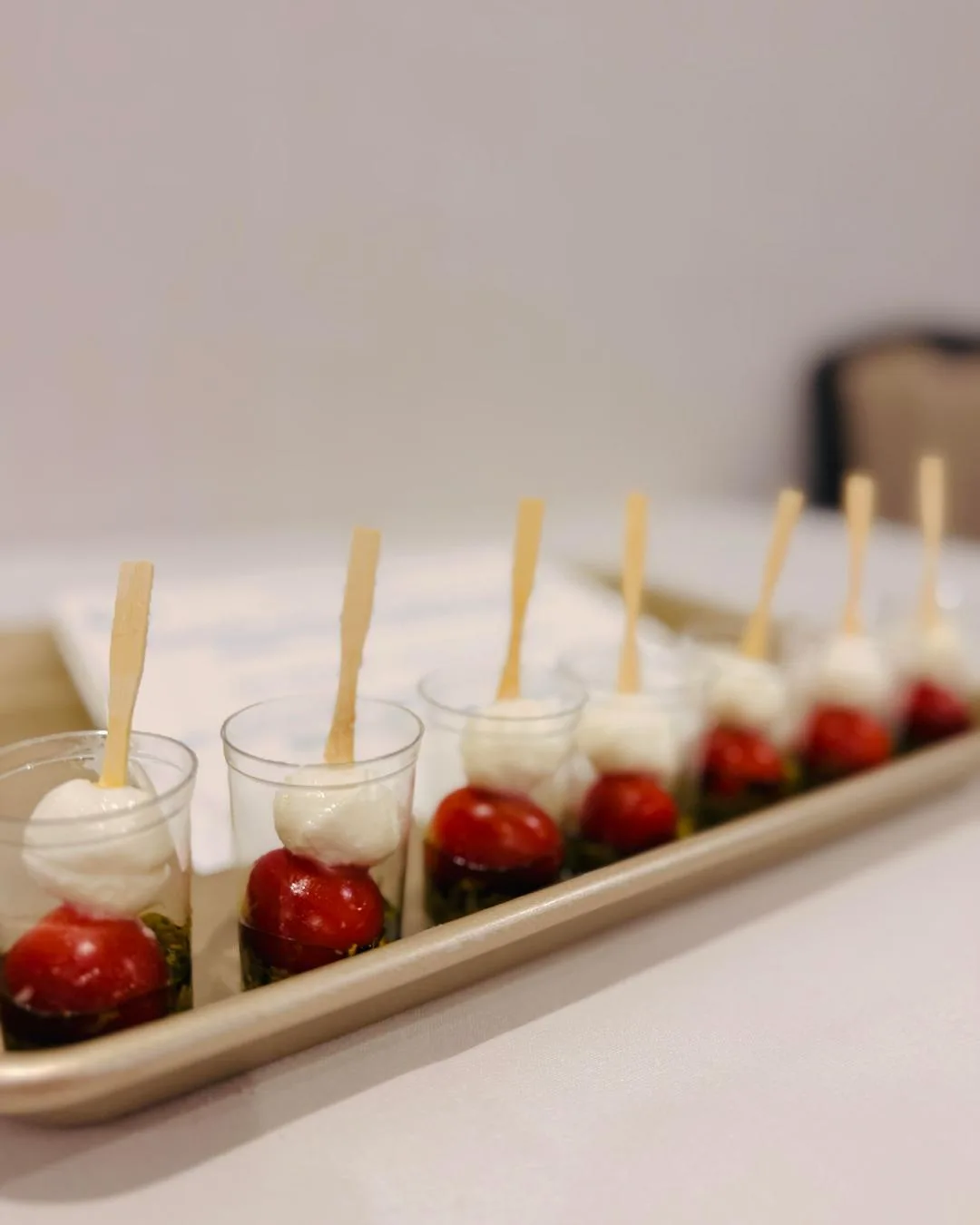
The process
How is it made?
We use an engineered host strain that secretes casein proteins able to form micelles. The strain ferments simple nutrients; we then purify the protein.
The fermentation runs on food-grade sugars from many side streams, from potato and corn to whey. No animal is involved at any step.
- The mission. Keep the dairy protein people know, and make it by fermentation as a second source next to dairy farming.
- The blueprint. We start from the amino-acid sequences of bovine casein.
- The result. A licensable process: the strains, the protocols and the know-how to make casein in your own plant, or at a CDMO we manage near you.
What you get as a licensee
- Technology licence. Process design, fermentation protocols, purification and know-how. For partners who want to run production themselves.
- Joint validation. Trial design and support with your R&D team, for evidence on performance and scale.
- Scale-up support. From bench to pilot to production, with clear milestones and technology transfer.
- Market access. Regulatory support in the U.S. and other markets.
Technical profile
Key data
| Parameter | Value |
|---|---|
| Product | Casein proteins with bovine casein sequences |
| Production | Precision fermentation with an engineered host strain; no animal inputs |
| Total protein | > 90% |
| Sequence identity (in silico) | 100% to bovine caseinsAllergenOnline v21; no new allergenic epitopes predicted |
| Parameter | Value |
|---|---|
| Allergen declaration | Milk |
| Suggested ingredient name | “Casein (from fermentation)” or “casein preparation” |
| U.S. regulatory | Self-affirmed GRAS (2025); GRAS notices submitted to FDAFebruary 2026 |
Good to know
Is Fooditive a casein startup?
Fooditive is a Dutch food-biotechnology company founded in 2018. Non-animal casein is one of its two flagship technologies, licensed to dairy and plant-based producers. Self-affirmed GRAS (2025). GRAS notices submitted to FDA in February 2026.
What is the U.S. regulatory status?
Self-affirmed GRAS (2025). GRAS notices submitted to FDA in February 2026. Licensing partners receive our safety dossier.
What about the EU and the UK?
Novel Food authorisation is required. We are preparing the dossier and plan to submit it together with our licensing partners.
How is it labelled?
It is a milk protein, so it is declared as a milk allergen. For the ingredient list we suggest “casein (from fermentation)” or “casein preparation”.
How was its safety assessed?
An in silico analysis (AllergenOnline v21) found 100% identity to bovine caseins and predicted no new allergenic epitopes. The assessment needs no new animal tests.
Does it work in vegan mozzarella?
Yes. Casein micelles give real melt and stretch, so plant-based and hybrid cheese behaves like dairy cheese.
How do I test it?
Request a sample. We agree the sample size and the evaluation with you, from first screening to pilot support.
Let’s make casein together.
Tell us your product and your market. We test with you, transfer the process and support your scale-up.